Battery Tender Junior vs Plus: Which One Do You Need? (October 2026)
Choose the Junior for a small powersports battery that mainly needs maintenance, and the Plus for a higher 1.25A output and faster recovery. Both charge and maintain 12V batteries with a four-step program.
On this page (7 sections)
Choose the Junior for smaller powersports batteries and ongoing maintenance; choose the Plus when you want more output for charging and recovery. In this Battery Tender Junior vs Battery Tender Plus comparison, the key difference is 750mA versus 1.25A.
Both are 12V chargers with a four-step charging program and float mode. The Junior is aimed at motorcycles, ATVs and similar powersports vehicles, while the Plus also fits automotive use.
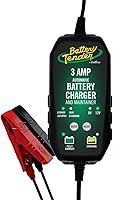
If you need an option that switches between 6V and 12V, the Battery Tender 3 Amp is another choice. It provides 3A output, so it sits above both models in output.


Battery Tender Junior vs Plus: what is the difference?
The Plus has the higher output at 1.25A, compared with 750mA for the Junior. That makes the Plus the more suitable choice when you want more charging output, while the Junior makes sense for small batteries that mainly need maintenance.
Both use a four-step charging program. The Junior describes its steps as initialization, bulk charge, absorption and float mode; the Plus also has a four-step program and switches to float maintenance.
Their cable options are similar. Each includes a ring terminal connection and alligator clips, so you can choose a connection that suits the battery access and setup.
| Feature | Battery Tender Junior | Battery Tender Plus |
|---|---|---|
| Output | 750mA | 1.25A |
| Voltage | 12V | 12V |
| Charging program | Four-step, with float mode | Four-step, with float maintenance |
| Included connections | Fused ring terminal harness and alligator clips | Fused ring terminal and alligator clip accessory cables |
| Warranty | 5 years | 10 years |
Which one should you choose for a motorcycle?
Choose the Junior for a small motorcycle battery that needs routine maintenance, and the Plus when you want more output for charging and recovery. Battery size and how depleted it is matter more than the vehicle name alone.
The Junior's 750mA output is suited to the brand's powersports focus. Its 12-foot output cord and fused ring terminal harness can help when the battery is hard to reach.
The Plus provides 1.25A and is described as ideal for larger motorcycle batteries. Its quick disconnect harness is useful if you want to connect the battery lead once and detach the charger when needed.
Neither output level is meant to replace a jump starter when you need immediate engine starting. A charger works by restoring battery charge over time.
For a wider range of motorcycle and powersports chargers, see our motorcycle battery charger guide. It can help if your battery needs a different output or charging setup.
Which one works better for car storage?
The Plus is the more fitting of these 2 for maintaining a car battery during storage. Battery Tender describes it for automotive use and infrequently driven vehicles, with a 1.25A output.
The Junior is a 12V model, but its stated focus is powersports. It may maintain a compatible 12V car battery, yet its lower output is less suited when you also want faster charging or recovery.
A maintainer helps offset a battery's natural discharge during storage, but it doesn't correct a failing battery or a vehicle with an unusual electrical drain. Check the battery condition and vehicle manual if it repeatedly loses charge.
Our guide to car battery maintainers for vehicles that sit compares options for longer periods of storage. For the charging process itself, see how a battery maintainer works.
How much faster is the Plus?
The Plus has about 1.7 times the rated output of the Junior, but that doesn't translate into a fixed charging-time difference. Battery condition, capacity and temperature affect how long charging takes.
The Junior delivers 750mA, or 0.75A. The Plus delivers 1.25A, which is a 0.5A increase.
A smaller motorcycle battery may be a natural match for the Junior's lower output. A larger battery or one that needs more recovery may benefit from the Plus, although neither figure alone tells you exactly how many hours charging will take.
Don't choose solely by amperage if your main goal is long-term maintenance. Both models are designed to move into float mode after charging, so the battery type and intended use should guide the decision.
Are both chargers compatible with your battery?
Both models are 12V chargers, so check your battery's voltage before choosing either one. Battery chemistry matters too, especially if your battery is lithium.
The Junior lists compatibility with 12V lead-acid batteries, including flooded, AGM and gel cell types. The Plus is described for automotive, motorcycle and lawn mower batteries, and its listed uses include ATVs.
The product information here does not mean either model supports lithium batteries. If you have a lithium battery, use a charger designed for that chemistry and confirm compatibility before connecting it.
If you need to charge a 6V battery, neither the Junior nor the Plus is the right match based on these specifications. The Battery Tender 3 Amp switches between 6V and 12V and lists lead-acid, AGM and gel compatibility.
For a broader explanation of matching charger output to your battery, read what size battery maintainer you need. It can help you weigh battery capacity alongside voltage and chemistry.
What do you get with each charger?
Both include ring terminal and alligator clip connections, but the Plus lists a quick disconnect harness and a longer warranty. Check your battery's terminal access to decide which connection you are most likely to use.
The Junior includes a 12-foot output cord, fused ring terminal harness, alligator clip cables, a 5-year warranty and lifetime customer support. The Plus includes fused ring terminal and alligator clip accessory cables, a 10-year manufacturer's warranty and lifetime customer support.
The Plus also has a two-color status LED that indicates charging status. The Junior has a two-color status LED and says adaptive charging can resume full output if battery voltage drops too far under load.
Both include automatic charging behavior that switches to float mode after charging. Follow the manual for connection order and storage use, and keep the charger and cables in suitable condition.
Battery Tender Junior vs Plus: which should you buy?
Pick the Junior for a small 12V powersports battery and maintenance; pick the Plus for higher output and a better fit with car storage or larger motorcycle batteries. If you need 6V support or more output, consider the 3 Amp model.
The Junior's lower output suits a modest charging need, while its ring terminal harness and alligator clips cover common connection styles. The Plus adds 0.5A, a quick disconnect harness and a longer stated warranty.
If you're still comparing brands, our Schumacher vs Battery Tender comparison explains how their charger ranges differ. Choose based on your battery's voltage, chemistry and how quickly you need it charged.
Frequently asked questions
Is the Battery Tender Plus better than the Junior?
The Plus is a better fit if you want its higher 1.25A output for charging and recovery. The Junior's 750mA output suits smaller powersports batteries and maintenance needs.
Both offer a four-step charging program and float mode, so choose by battery size and how quickly you need to recharge.
Can the Battery Tender Junior maintain a car battery?
The Junior is designed for 12V lead-acid batteries, including flooded, AGM and gel cell types. Its 750mA output is modest, so it may be slow when bringing a car battery back up.
For regular car storage, compare it with the higher-output Plus or a 3A charger.
What is the main difference between the Junior and Plus?
Output is the clearest difference: the Junior provides 750mA, while the Plus provides 1.25A. That gives the Plus more charging output for recovery, while both use a four-step program and switch to float mode for maintenance after charging.
Can I leave either charger connected for storage?
Both are described as chargers and maintainers with float mode after charging. Follow the manual for your exact battery and setup, and inspect the cables and connections before leaving a charger connected.
For broader safety and setup guidance, read our guide to battery maintainer safety.