Is It Safe to Charge a Car Battery Indoors?
Charging a car battery indoors can be safe only in a well-ventilated area, away from flames and sparks, with the charger and battery used as their manuals direct. If you can't meet those conditions, charge outdoors.
On this page (9 sections)
- Is it safe to charge a car battery indoors?
- What makes indoor battery charging risky?
- Where should you charge a car battery indoors?
- How do you reduce the risk before connecting a charger?
- Can a smart charger make indoor charging safe?
- Should you charge a battery while it is connected to the car?
- Is it safe to leave a battery charging overnight?
- What should you do if charging seems unsafe?
- Is it safe to charge a car battery indoors in your situation?
Charging a car battery indoors can be safe only in a well-ventilated area, away from flames and sparks, with the charger and battery used as their manuals direct. If you can't meet those conditions, charge outdoors.
A charging lead-acid battery can release hydrogen, which can ignite if it builds up and meets a spark. Charging also involves electrical connections and corrosive battery fluid, so location and careful setup matter.
Is it safe to charge a car battery indoors?
It can be safe in a suitable, well-ventilated space, but an enclosed room or poorly ventilated garage is not a good place to charge. Read the battery, vehicle, and charger instructions first, since they determine whether the battery can stay connected and where charging is allowed.
Keep the battery upright on a stable surface, away from heat, flames, smoking, and anything that could spark. Don't charge a battery that is cracked, leaking, swollen, or otherwise damaged.
If you smell a strong sulfur-like odor, hear unusual bubbling, or notice excessive heat, stop charging if you can do so safely and move away. Don't touch a hot or damaged battery; follow the vehicle or battery maker's guidance for help.
What makes indoor battery charging risky?
Hydrogen gas, sparks, and contact with battery acid are the main hazards to manage. Ventilation helps prevent gas from collecting, while careful connections reduce the chance of sparks near the battery.
A car battery can also deliver very high current if a tool or cable bridges its terminals. Keep metal tools and loose metal items away from the terminals, and use the charger leads as directed.
Place the charger where it can stay dry and stable, with its cables clear of walkways and hot or moving vehicle parts. Don't cover the charger or battery, and don't leave charging unattended unless the manuals expressly allow it.
Where should you charge a car battery indoors?
Choose a dry, open area with steady airflow and no ignition sources. A ventilated garage or workshop may work when the manuals permit indoor charging and the battery can be kept away from people, pets, and combustible materials.
Avoid bedrooms, closets, basements with poor airflow, and small enclosed rooms. Don't assume an open garage door alone is enough; airflow varies, and charging instructions still apply.
For charging location and setup, our guide to how to charge a dead car battery at home walks through the preparation and connection steps. If the battery is installed in the vehicle, check the vehicle manual before attaching a charger.
How do you reduce the risk before connecting a charger?
Inspect the battery and charger, then follow the connection order in their manuals. Turn the charger off before attaching or removing clamps unless its instructions say otherwise.
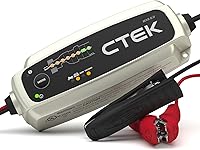
Check that the charger is intended for your battery's voltage and chemistry. For example, the CTEK MXS 5.0 is designed for 12-volt lead-acid and AGM batteries; confirm that those match your battery before using it.
Keep clamps from touching each other, and connect them only to the terminals or grounding point specified by the vehicle and charger instructions. Don't guess at the connection points if the battery remains installed.
The step-by-step guide to connecting a battery maintainer explains a typical setup. Your vehicle's manual takes priority if its instructions differ.
Can a smart charger make indoor charging safe?
A smart charger can manage charging, but it can't make a poorly ventilated or unsafe location suitable. Use a charger with settings that match your battery, and follow its instructions for connection, ventilation, and unattended operation.
The NOCO GENIUS5 supports 6-volt and 12-volt lead-acid batteries, as well as lithium-ion LiFePO4 batteries. Its integrated thermal sensor adjusts charging based on ambient temperature, but you still need to follow the battery and vehicle instructions.
A smart charger may also have a maintenance mode for a battery that sits unused. Learn how that differs from a basic charge in our guide to how smart battery chargers work.
Should you charge a battery while it is connected to the car?
Follow the vehicle and charger manuals; they determine whether the battery can remain connected. Some charging setups allow it, while a vehicle's electronics or charging instructions may call for a different procedure.
Before disconnecting a battery, check the vehicle manual for steps that protect its electronics and preserve settings. If you aren't sure which procedure applies, ask a qualified technician rather than improvising.
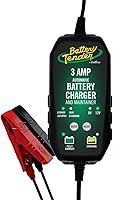
For a compatible 12-volt battery, the Battery Tender 5 Amp 12V includes spark-proof lead connection and reverse-polarity detection. These features don't replace correct connection steps or a ventilated charging area.
Is it safe to leave a battery charging overnight?
Only leave a charger running unattended when its instructions allow it and the location meets the safety requirements. A timer or automatic maintenance mode doesn't make a damaged battery or poorly ventilated space safe.
The NOCO GENIUS5 is described as a smart charger that monitors a battery during maintenance. The CTEK MXS 5.0 has float and pulse charging, while Battery Tender describes automatic float mode after charging; use each only as its own instructions direct.
For more about extended connection, see are battery maintainers safe to leave connected?. Keep the charging area clear, and check for heat, odor, swelling, or other signs of trouble.
What should you do if charging seems unsafe?
Stop if the battery leaks, swells, becomes unusually hot, or gives off a strong odor. If you can safely turn off the charger without approaching a hazard, do so; otherwise move away and get qualified help.
Don't touch leaking fluid or attempt to repair a damaged battery. Keep children and pets clear, and follow the battery maker's instructions for handling and disposal.
If you can't provide ventilation, keep the battery away from sparks, or follow the manuals, choose a different location or ask a professional to charge it. When you're ready to connect a charger, learn how to use a trickle charger on a car and follow the charger instructions throughout.
Is it safe to charge a car battery indoors in your situation?
Charge indoors only when the battery and charger instructions allow it, the space is well ventilated, and you can keep it away from ignition sources. If any of those conditions are missing, move the job outdoors or have a qualified technician handle it.
Choose a charger that matches your battery chemistry and voltage, then use its connection steps exactly. For long-term storage, a maintainer may fit better than repeated charging; compare options in best car battery maintainers for cars that sit.
Frequently asked questions
Is it safe to charge a car battery in a closed garage?
A closed garage is a poor choice because charging can release hydrogen, a flammable gas, and ventilation may be limited. Follow the battery and charger manuals, keep the area clear of flames and sparks, and choose an open, well-ventilated location.
If you can't ventilate the space, charge outdoors.
Can I charge a car battery inside my house?
Only if the battery and charger manuals allow it and you have a well-ventilated space away from living areas, flames, sparks, and heat. A garage or other suitable work area is generally easier to ventilate than a bedroom or enclosed utility closet.
Stop if the battery leaks, swells, or becomes unusually hot.
Should I remove a car battery to charge it indoors?
Not automatically. Some vehicle and charger instructions allow charging while connected, while others require disconnection or removal; follow the instructions for your specific vehicle and battery.
If you remove it, keep it upright and use a suitable ventilated area, since a damaged battery can leak corrosive electrolyte.
Can a smart battery charger stay connected indoors?
A smart charger may monitor and maintain a battery, but that doesn't remove the need for ventilation and safe placement. Check the charger's instructions for indoor use, connection, and unattended charging, and follow the battery and vehicle manuals.
Keep the charger dry and away from combustible materials.