Does Charging a Car Battery Damage It?
Charging a car battery usually doesn't damage it when you use a compatible charger and follow the battery and charger instructions. Wrong voltage, excessive heat, a damaged battery, or an unsuitable charging method can cause harm.
On this page (7 sections)
Charging a car battery usually doesn't damage it when you use a charger that matches the battery's voltage and chemistry and follow both manuals. Damage is more likely with the wrong settings, excessive heat, a failing battery, or a charger that keeps charging after the battery is full.
A car battery needs the right charging method, not just more current. Check the battery label and vehicle manual first, then use a compatible charger in a suitable location.
Does charging a car battery damage it?
Normal charging with a compatible charger should not damage a healthy battery. The charger restores energy used during starting and by the vehicle's electrical systems.
Problems can arise if the charger uses the wrong voltage or battery setting, runs too long without charge control, or is connected incorrectly. Charging a battery that's already damaged can also be unsafe, so inspect it before you begin.
Lead-acid batteries and lithium batteries use different charging profiles. Don't assume a charger made for one type is suitable for another.
How can you charge a car battery without damage?
Match the charger to the battery, follow its instructions, and stop if the battery shows warning signs. These steps help reduce the risk of overcharging, heat, and a connection mistake.
- Read the battery label and vehicle manual to identify battery voltage and type.
- Choose a charger approved for that voltage and chemistry.
- Inspect the battery for cracks, leaks, swelling, or other damage.
- Connect the charger as its manual directs, including whether the battery stays in the vehicle.
- Charge in the location and conditions specified by the manuals.
- Watch for unusual heat, smell, sound, or visible changes, and stop if they occur.
- Disconnect the charger in the instructed order when charging is complete.
A smart charger may adjust its output as the battery charges, but the label “smart” doesn't override compatibility or safety instructions. For a step-by-step guide to a discharged battery, see how to charge a dead car battery at home.
Does the charger need to match the battery type?
Yes, the charger must support your battery's chemistry and voltage. Many car batteries are 12-volt lead-acid, but some vehicles use other battery types or have special charging instructions.
A charger that supports several chemistries can be useful if you own more than one kind of vehicle or battery. The NOCO GENIUS10 supports 6-volt and 12-volt lead-acid types, including AGM, gel, SLA, and VRLA, as well as LiFePO4 lithium-ion batteries.
Choose a different charger if your battery type isn't supported. See what kind of charger a lithium battery needs for guidance on matching a charger to a lithium battery.
Can overcharging damage a car battery?
Yes, overcharging can harm a battery by creating excess heat and stress. This is more of a concern with chargers that continue applying charge after the battery is full.
An automatic charger may reduce or stop charging as the battery approaches full charge. A maintenance mode can help keep a battery charged during storage, but only if the charger and battery are compatible and the manuals allow extended connection.
Don't leave a basic charger connected for longer than its instructions permit. If you'll maintain a battery over time, compare options in our guide to battery maintainers that are safe to leave connected.
Is it safe to leave a smart charger connected?
It can be safe when the charger is designed for maintenance and its instructions allow it. Confirm the battery type, connection method, and recommended use before leaving a charger attached.
The CTEK MXS 5.0 is a fully automatic 8-step charger for 12-volt lead-acid and AGM batteries. Its float and pulse charging is designed for extended maintenance, including periods when a vehicle sits unused.
Use the charger only with compatible batteries and follow its manual, even if it has a maintenance mode. For a closer look at charger behavior, read how smart battery chargers work.
Can too many amps damage a car battery?
A charger with an unsuitable current can cause problems, especially if it produces heat or doesn't match the battery maker's guidance. Choose a charging rate based on the battery and the charger instructions.
A lower current generally takes longer. A higher current can reduce charging time, but don't pick one based on speed alone; the safe rate depends on the battery's design and condition.
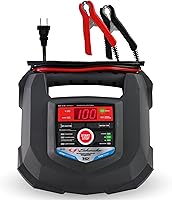
For help choosing a charging rate, see how many amps you need to charge a car battery. The Schumacher SC1361 uses a microprocessor-controlled 2A to 6A charge and a smart trickle charge for maintaining voltage over time.
This charger is for 12-volt batteries. Don't use it on a different voltage unless the manufacturer specifically says it's suitable.
What charging mistakes can harm a battery?
Using the wrong charger, ignoring battery damage, and making a poor connection can create charging risks. Check the equipment and battery before plugging in.
Avoid these mistakes:
- Using a charger that doesn't support the battery's voltage or chemistry.
- Charging a battery that is cracked, swollen, leaking, or otherwise damaged.
- Connecting clamps in the wrong order or to the wrong terminals.
- Charging in a place the manuals don't allow.
- Leaving a non-maintaining charger on past its recommended time.
- Ignoring heat, a strong smell, leaking, swelling, or unusual sounds.
If you aren't sure whether the battery can stay connected to the vehicle, check both manuals before attaching the charger. Our guide to charging a car battery indoors covers location and ventilation considerations.
When should you stop charging?
Stop if the battery becomes unusually hot, swells, leaks, smells strongly, or makes unusual sounds. Don't handle a battery that looks damaged; follow the manufacturer's safety guidance and seek qualified help.
A battery that won't accept charge may be worn out, deeply discharged, or damaged. Repeatedly trying a charger won't repair a battery with a physical fault.
Some chargers offer a recovery mode for deeply discharged batteries, but that feature doesn't make every battery safe to charge. Follow the charger's instructions and don't force a charge if the battery shows visible damage.
Which charger fits your battery?
The right choice depends on battery type, voltage, charging rate, and whether you need maintenance mode. Confirm those details before choosing a charger.
- The NOCO GENIUS10 supports 6V and 12V lead-acid and LiFePO4 batteries, with temperature adjustment.
- The CTEK MXS 5.0 is for 12V lead-acid and AGM batteries, with automatic multi-step charging and float/pulse maintenance.
- The Schumacher SC1361 supports 12V batteries, with a 2A to 6A charge and smart trickle maintenance.
Charging a car battery usually won't damage it when the charger is compatible and used as directed. Choose the NOCO for supported lead-acid or LiFePO4 types, the CTEK for 12V lead-acid or AGM maintenance, or the Schumacher for a 12V battery with a 2A to 6A charging option.
For more charging guidance, explore our car battery charging know-how, including how to connect a battery maintainer.
Frequently asked questions
Does charging a car battery overnight damage it?
It depends on the charger and battery. A compatible automatic charger with a maintenance mode may be designed to stay connected, but a basic charger can overcharge a battery if left on too long.
Follow both manuals, check the battery during charging, and disconnect it when the charger indicates the process is complete.
Can a trickle charger damage a car battery?
A trickle charger can damage a battery if it keeps supplying current after the battery is full or isn't suited to that battery type. A smart maintainer monitors charge and adjusts or stops output, but you should still confirm compatibility and follow its manual.
Is it safe to charge a car battery while it is connected?
Some chargers allow charging while the battery remains connected to the vehicle, while others require disconnection. Check the charger and vehicle manuals before connecting clamps; vehicle electronics, battery location, and manufacturer instructions can affect the correct method.
What are signs a car battery is being damaged while charging?
Stop charging if the battery becomes unusually hot, swells, leaks, smells strongly, or makes unusual sounds. These signs can point to a damaged battery or a charging problem.
Keep away from it and follow the battery maker's safety instructions rather than continuing to charge.