Trickle Charger vs Battery Maintainer: The Real Difference (October 2026)
A trickle charger supplies a low, steady charge, while a battery maintainer monitors the battery and adjusts charging to keep it charged. Some smart chargers can do both, so check the charging mode and battery compatibility.
On this page (8 sections)
- Trickle charger vs battery maintainer: what's the difference?
- Which charger should you choose for a vehicle in storage?
- Can a maintainer recharge a low battery?
- Which option suits a motorcycle or small battery?
- Can you use a maintainer on lithium batteries?
- Is a float charger the same as a maintainer?
- What should you check before leaving a charger connected?
- Which one is right for you?
A trickle charger supplies a low, steady charge, while a battery maintainer monitors the battery and adjusts charging to keep it charged. Some smart chargers offer both functions, so the real difference is how they manage a battery after it reaches a full charge.
For a vehicle that sits, the key question is whether the charger can safely maintain the battery over time. Check its supported battery type, voltage, charging mode and instructions for extended connection.
A maintainer isn't automatically a better match for every battery. A small 12V motorcycle battery, a 6V classic-car battery and a 12V lithium battery may need different charger capabilities.


Trickle charger vs battery maintainer: what's the difference?
A trickle charger provides a low, steady current; a maintainer monitors the battery and adjusts or pauses charging to keep it charged. The terms can overlap because some smart chargers include both a trickle function and a maintenance mode.
With a basic trickle charger, current continues to flow at a low rate. If the battery is already full, that continuing charge may cause overcharging unless the charger is designed to stop or regulate it.
A battery maintainer is meant for a charged battery that needs to stay ready while a vehicle is parked. It checks the battery and supplies charge when needed, rather than treating maintenance as an endless fixed trickle.
What does "trickle charging" mean?
Trickle charging means supplying a small current to a battery over time. It can be useful when a battery needs a slow charge, but a fixed current isn't the same as automatic monitoring.
Some smart chargers have a trickle mode that they manage electronically. Read the manual for the exact device to find out how it behaves after charging and whether the mode is suitable for long-term connection.
Our guide to how to use a trickle charger on a car covers setup and basic precautions. If you're deciding when this approach makes sense, see when to use a trickle charger.
What does a battery maintainer do?
A maintainer keeps a battery charged during periods when normal driving or use won't replenish it. Depending on its design, it monitors battery voltage and resumes charging when needed.
That makes a maintainer a practical choice for a stored car, boat or motorcycle. It still needs to match the battery, and you should follow the manufacturer's connection and storage directions.
For a closer look at the maintenance cycle, read how a battery maintainer works. If the concern is leaving one connected for a long time, our guide to battery maintainer safety explains what to check.
Which charger should you choose for a vehicle in storage?
Choose a maintainer or smart charger with a maintenance mode for a vehicle that will sit for weeks. Choose a trickle charger for a slow charge only when its instructions and the battery maker's guidance support that use.
A parked vehicle can lose charge while it sits, especially if it has electrical systems that draw power when off. A maintainer can help keep the battery ready without relying on occasional starts, which may not fully recharge it.
Match the charger to the battery before connecting it. Confirm the voltage, chemistry and charging instructions, then check whether the charger is approved for continuous or extended use.
For seasonal storage, the best battery maintainers for winter storage guide can help you compare options. If you need to connect a unit for the first time, follow our step-by-step battery maintainer connection guide.
Can a maintainer recharge a low battery?
Some maintainers can also charge a low battery, but their charging speed and recovery features vary. Don't assume that a maintenance label means the device can recover a deeply discharged battery.
Look at the output current and the charger’s stated charging range. A lower output may take longer to charge a battery, while a smart charger may include modes for different battery conditions.
The NOCO GENIUS5 combines charging and maintenance functions, with 5 A output and support for 6V and 12V lead-acid and LiFePO4 batteries. NOCO says its Force Mode can manually charge batteries down to zero volts, but follow its instructions and confirm the battery is suitable for that mode.
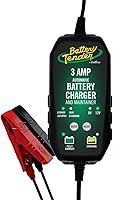
The Battery Tender 3 Amp charges before switching to float mode to maintain voltage. It supports 6V or 12V batteries and lead-acid, AGM and gel types.
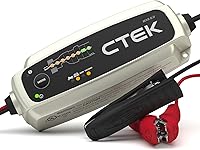
For smaller 12V lead-acid batteries, the CTEK US 0.8 uses a six-step automatic charging process and 0.8 A output. CTEK says it also suits maintenance charging of normal-sized batteries, including classic-car batteries.
Which option suits a motorcycle or small battery?
A maintainer is often the better choice for a motorcycle that sits, while a charger with lower output can suit a small battery that needs charging. Check the battery's chemistry and voltage before choosing either one.
A motorcycle battery can be smaller than a car battery, so charger output matters. A charger designed for larger batteries may still be compatible, but its current and recommended use should fit the battery.
The CTEK US 0.8 is intended for smaller 12V lead-acid batteries found in motorcycles, jet skis, ATVs and lawnmowers. Its 0.8 A output makes it a focused option when that voltage and chemistry match.
For motorcycle-specific options, see our guide to battery chargers for motorcycles and powersports. Don't assume a charger that supports lead-acid also supports lithium; check the exact battery chemistry.
Can you use a maintainer on lithium batteries?
Use a maintainer on a lithium battery only when the charger explicitly supports that battery chemistry. Lead-acid maintenance settings aren't a safe substitute for a lithium-compatible charging profile.
The NOCO GENIUS5 supports 6V and 12V lead-acid batteries and LiFePO4 batteries. The Battery Tender 3 Amp and CTEK US 0.8 product details here describe lead-acid compatibility, so don't choose either for a lithium battery based on this comparison alone.
Our guide to what kind of charger a lithium battery needs explains why chemistry matters. Confirm that both the battery and charger manuals identify the same chemistry and voltage before connecting them.
Is a float charger the same as a maintainer?
Float charging and maintenance describe related ways to keep a battery ready, but the terms don't always mean the same control method. A float charger holds a set voltage, while some maintainers monitor the battery and cycle charging as needed.
A charger may use a float stage after the battery reaches full charge. The Battery Tender 3 Amp, for example, automatically goes into float mode after charging.
The label alone doesn't tell you whether a charger is suitable for unattended storage. Check its manual for how it responds to a full battery and whether it can remain connected for the period you have in mind.
For a fuller explanation, read trickle charger vs float charger. That comparison helps separate the charging method from the charger's broader maintenance features.
What should you check before leaving a charger connected?
Check the battery match, connection method, ventilation and long-term-use instructions before leaving any charger attached. Follow both the charger and vehicle manuals, including their warnings.
Confirm the charger voltage and battery chemistry first. Then make sure the battery is in a suitable condition and the charger allows the planned connection period.
Use a dry, stable location and route cables so they won't be pinched, pulled or exposed to moving parts. Keep the charger away from moisture unless its instructions say the unit is suitable for that environment.
If you charge indoors, check the battery and charger manuals for location and ventilation rules. Our guide on charging a car battery indoors safely covers the practical details.
Never connect clamps by guessing. Follow the charger's polarity instructions, and stop if the cables, battery or charger show damage.
Which one is right for you?
Pick a maintainer for keeping a compatible battery ready during storage; pick a trickle charger for a slow charge when its instructions allow that use. If you want both jobs, choose a smart charger that clearly supports both charging and maintenance.
For a car that sits, prioritize automatic monitoring and explicit guidance for extended connection. For a small motorcycle battery, check whether the output and battery chemistry match.
If you're unsure about the battery's type or condition, identify it before buying a charger. The right choice depends on that match and on whether you need to recharge, maintain or do both.
Frequently asked questions
Is a trickle charger the same as a battery maintainer?
No. A trickle charger describes a low, steady charging approach, while a battery maintainer is designed to keep a charged battery ready over time.
Some smart chargers include both functions, so check whether the device monitors charge and what its manual says about leaving it connected.
Can you leave a trickle charger connected?
Only if its instructions allow long-term connection and the charger is suitable for that battery. A basic charger that keeps supplying current may overcharge a battery if left connected, so use a monitored maintenance mode for storage and follow the battery and charger manuals.
Does a battery maintainer charge a dead battery?
Some maintainers can also charge, but the ability to recover a deeply discharged battery depends on the charger and the battery's condition. Check the device's charging modes and minimum voltage guidance; a maintainer function alone doesn't promise recovery from a dead battery.
Which is better for a car that sits?
A maintainer with automatic monitoring is usually the better fit for a car that sits for weeks, provided it matches the battery and the manual permits extended connection. For a battery that needs a fresh charge first, choose a charger that can charge and then switch to a maintenance mode.